Showing posts with label Tips. Show all posts

Friday, January 19, 2018

Tips: Preparing for a Performance (Voice)

So a while back, I did an Instagram story day where I talked about how I prepare my voice for days where I have a performance, specifically for when I need to sing. Now, I have wanted to put these tips on my blog, but because I waited so long to do it, I have deleted the videos from my phone. I do believe that I have retained my knowledge of what they are (especially since I used these tips for a performance I had recently) and I am excited to share them with you today.

I should point out that I am not an expert by any means, but I pulled these tips from what I have read and what I have learned since being apart of theatre.

PC Here
1) Exercise

This is something I don't do enough of and I need to start actively pursuing again. Even if it is just a light jog around the block, exercise is great for your lung capacity. Back when I would exercise more, I found that my lung capacity had significantly increased and I felt better throughout the day. Exercising can also help to calm feeling of stress and nervousness which is always good when you get pre-performance jitters.

2) Take Allergy and Asthma Medication if Needed

As someone with mild asthma and quite a few airborne allergies, I have found that taking care of them can definitely help with your singing. Making sure you take your asthma medication when needed, you are ensuring that you are able to take in as much air as you need when you're singing. Now I know allergies affect people in different ways. For me, my nose gets stuffed up and I need to breathe through my mouth more. In some rare cases, my asthma acts up, forcing me to use my emergency inhaler so I can breathe normally. This is why I believe that you need to make sure you take care of your asthma and allergies in order to sing to the best of your abilities. Also, it is better for your health.

PC Here
3) No Dairy

Now, this is where I have no choice but to get a little graphic. On the day of a performance, it is always a good idea to stop consuming any dairy products. This is because dairy can cause phlegm to build up in the back of your throat causing you to clear it in order to be able to speak clearly. You never want to have to clear your throat in the middle of a song. I have found in my personal experience that avoiding dairy helps to decrease the production of phlegm and helps to improve your singing.

4) No Caffeine

I know that many of us live off of caffeine, but it must be avoided when a performance is involved. Not only have I read about this, but I have seen one of my friends do this before. Caffeine can actually dry out your throat, thus causing the production of phlegm, just like dairy. I will say that a good substitute for caffeine is exercise since it helps to keep you alert, awake, and focused throughout the day.

5) Plenty of Water

I know this seems like a no-brainer, but singers actually need to consume more water than the average person. Singing actually exercises your vocal cords which is why your throat tends to dry out when you sing. On days where I am performing, I try to stick to drinking only water because it helps to hydrate my throat and also keeps me hydrated as well which is always a good thing when it comes to your overall health.

6) Hot Lemon and Honey Recipe
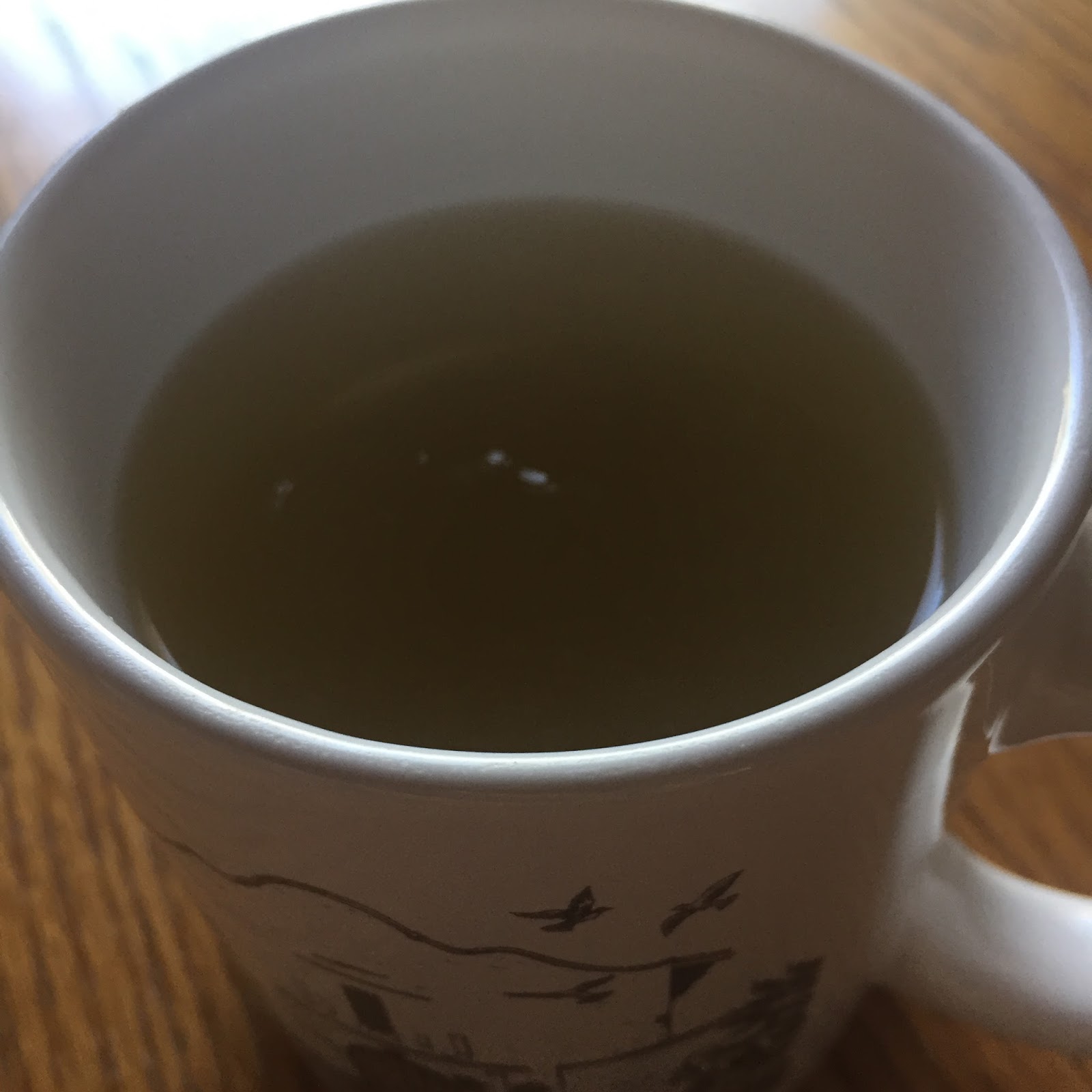
Lemon Honey Drink
This is a recipe I have been using for a few years now, and I absolutely swear by it. A friend of mine
gave it to me to help me with my vocal range. What I've found is that it really helps more with clearing out your throat. There is something about it that helps to not only clear everything out but also hydrate your throat at the same time.

I start with heating up some water. Now you could make non-caffeinated tea out of this if you'd like, but I much prefer just using hot water. Fill a mug with the hot water and add to it 2 tablespoons of lemon juice to 1 tablespoon of honey. Mix it all up. After this, I add an ice cube so that the drink is still hot but it is not going to scald my throat. Then I drink it until the mug is empty

7) Warm Up Voice

Warming up your voice is key for any performance, so it is important to find the right warm-ups for you. Since my vocal coach records all of our lessons and emails them to me, I usually use the warm-up from my previous lesson in order to prepare my voice for all of the singing instore.
PC Here

It is important to warm up your vocal cords and go in cold because it could cause you to force your voice a bit, thereby hurting your throat.

8) Practice a couple of times

Before any performance, I like to practice my song(s) a couple of times. This helps to refamiliarize myself with the song(s) I need to sing. It helps to boost my confidence with that song and I end up going out feeling ready to sing in front of the audience. I will say, don't practice too much. You don't want to wear out your voice before you perform. Just a couple times so you are sure you've got it.

These tips have helped me a lot when it came to performing songs in front of an audience. It has helped me to maximize my voice so that I can sing at my full potential. I hope this helps you guys when it comes time for your performance.


Instagram: @The_Theatre_Corner
Twitter: @Theatre_Corner

Saturday, January 7, 2017

Tips: Getting over a Cold

Now let's be honest, the worst fear of any stage actor is getting sick before any audition or show. I will admit, as I am writing this, I am currently sick with a cold and I have an audition on Wednesday. I thought since this is a common fear and quite frankly happens often that I would tell you guys my secret for getting rid of a cold as fast as possible.

Firstly, I must say that this will not work with the flu and other illnesses such as mono, but if you have the common cold, this should work every time.

PC here
Now the first thing I always take when I am sick is a zinc lozenge. They come in a multitude of flavors and help to end colds faster than is you just leave it. And believe me, I hate leaving colds. I like to use the brand Cold-Eeze because that is what I grew up with. I tend to take three of these every day usually after every meal. You don't want to take them before a meal because zinc lozenges numb your taste buds for a little while. I would also space out each Cold-Eeze by at least four hours.

PC Here
The next thing I take are echinacea capsules. They are herbs ground up into powder and put into a capsule that you take orally. It helps to boost the immune system and helps to fight colds. I usually take one capsule with breakfast and one capsule with dinner.

Other than that, I do the usual things you would do when you have a cold. I drink a lot of water to keep myself hydrated. I take naps because rest really help. I also take warm showers and drink tea because the steam and warm liquid help to soothe the throat and clear the sinuses.

Also, I would keep a few boxes of tissues by you at all times. I know it seems like a no-brainer, but I have gone through a whole box in one day before. In fact, I ran out of tissues the other night. It's always safe to have extra in case you need it.

This is what I do when I need a little bit of help getting better faster. And I can tell you that this has worked for me many times. The best example is when I was in my last full length show, I got sick the week we opened and I was only really sick for one of the performances.

Hope this helps you when you need to get better faster than what would happen naturally.

Sincerely,

Carlee

Instagram: @The_Theatre_Corner
Twitter: @Theatre_Corner

Saturday, October 8, 2016

Acting Tips: Memorizing Lines

Memorizing is a key part to any on stage performance. Without it, you are left with improvisation, which could make or break a show. I, myself, have a very good memory. I can usually memorize my lines within the first month or so of rehearsals  because I have a certain technique I like to use when I need to memorize something. And today, I am going to share it with you.


1. Highlight your lines: Highlighting your lines is so important to the memorization process. By highlighting your lines, you know where your lines are, how many you have, and what line comes before yours. I usually like to highlight mine, but I have seen people underline there's in either pen or pencil. I find that highlighters works better for me because I am able to easily see where the line is and I'm not searching for it. Another trick I have used is highlighting my cues as well, but I don't always do that.


2. Record lines and cues: This really helps me. I even use this for a variety of things outside of memorizing lines. I go to the voice memos on my phone and record all of my cues and lines. I start by saying my cues (lines or actions that come before your lines or actions). In between every cue and line pair, I hold for at least a five second pause. This allows me to say my line before I actually hear it when I start to remember them. This also allows me to hear how correct or incorrect I sound after saying my line. After my long pause, I say my line and repeat the process until all of my lines recorded.


3. Listen to Recording: Now I start listening to it. By listening to it over and over again, I am able to drill the lines into my brain and keep them there for rehearsals and the show. Eventually, I am able to say the lines with my cues.

4. Say lines as you would if you were in front of an audience: This is HUGE. If you say your lines in your normal voice during rehearsals, chances are you will say them that way on stage. Whenever you are acting for something, be that character no matter what. It will make it so that when it's show time, you don't even have to think about being in character, it will come naturally.

5. Run lines with others: Whether it be with a cast mate between scenes, or a family member during lunch, you should always try and practice with others. Give the person your script, and have them read your cues. You recite back the lines and the person will tell you if the line is wrong or not. This always tends  to work well with me.

6. Read through the script: This is so important. By reading through the whole script, you are able to understand what is going on in the story and distinguish who your character is. This will help you to develop a character which will help you with memorization.

With these tips, you should be able to memorize any part you want with ease. I hope you find this useful.


Sincerely,

Carlee

Instagram: @The_Theatre_Corner
Twitter: @Theatre_Corner